

Address:Thamel, Kathmandu



Among a number of rivers available in Nepal for white water sports, Kali Gandaki River is the best one for beginners as well as for experienced ones. The name of the river is originated from the name of goddess Kali, the Divine Mother and the goddess of destruction. The river runs down from Tibet to the high Himalayan region of Nepal in between Annapurna and Dhaulagiri, making the deepest gorge of the world in Dana.
The Kali Gandaki rafting route was first discovered by Michael Peissel in 1973. Since then the river has been witnessing a large number of rafters and kayakers. The Kali Gandaki River rafting is an ideal choice for adventure lovers who wish to spend a part of their life in remote areas with eye-appealing views of mountains, waterfalls, dense forests, and narrow gorges.
The put-in point for the trip is Newbridge in Kusma, the city of bridges. Whereas, the trip will conclude at Dam, around 55 kilometers away from the starting point.
What are the major highlights?
● Cultural sightseeing in Kathmandu
● Super fun, bouncy, and exciting rapids with exciting wave trains
● An adrenaline pumping on class III and IV rapids
● Sightseeing during the drive: Mountains, village, forests, wildlife, temples and gorges
● Remote beach camping for a lifetime memory
● Kayak for a day
● Lunch on the beach
What should you pack for the rafting day?
● Quick dry shirts and shorts
● Swimwear
● T-shirt and trousers/pants
● Sports shoes and other shoes
● Socks
● Warm clothes for the evening and if you are rafting in winter
● Sunscreen, sunglasses, and lip balm for protection against sun and dryness
● Towel
● Water bottle
● Flashlight or head torch and extra batteries
● Personal first aid kit
● Personal toiletries
● Sleeping bag
● Camera
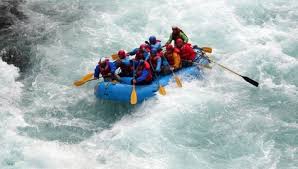
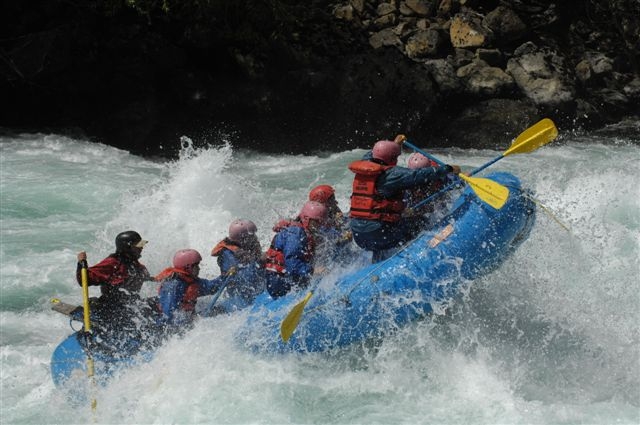
September, October, and November, the months following the end of the monsoon are known as the best time to raft in the Kali Gandaki River as the flow of the river is really good compared to the other times of the year. It is perfectly suitable for wild whitewater adventures.
Mid-June, July, and August fall under the monsoon. So we do not suggest you attempt the adventurous sport during this time. December, January, and February witness the freezing cold as the temperature drops to its minimum level. And the flow of the river is not that good in the months of March, April and May.
So you can plan 6-day-long rafting in the peak season, September to November.
We recommend leaving valuables and non-waterproof items behind. We provide dry bags for storing essential items such as cameras, phones, and medications.
The duration of the rafting trip varies depending on the chosen package, but typically it lasts for 3-4 hours in a day.
The Trishuli River offers a mix of rapids ranging from Grade II to Grade III, suitable for both beginners and experienced rafters.
We recommend wearing comfortable swimwear or quick-drying clothes and sturdy footwear that can get wet.